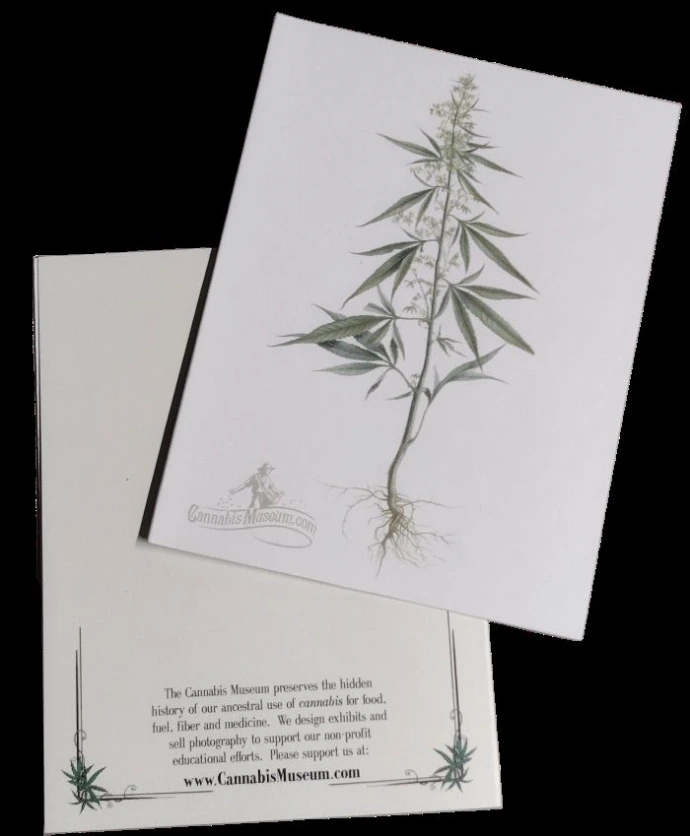




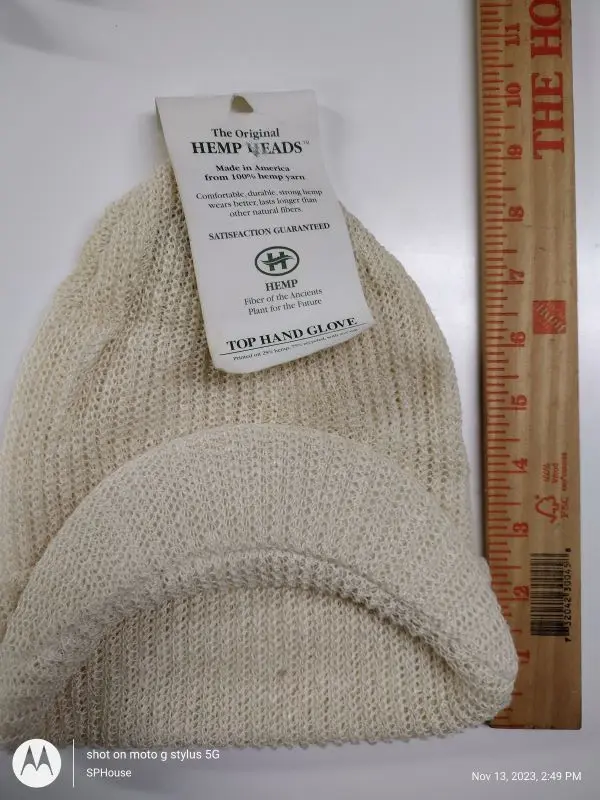
The oldest fiber crop
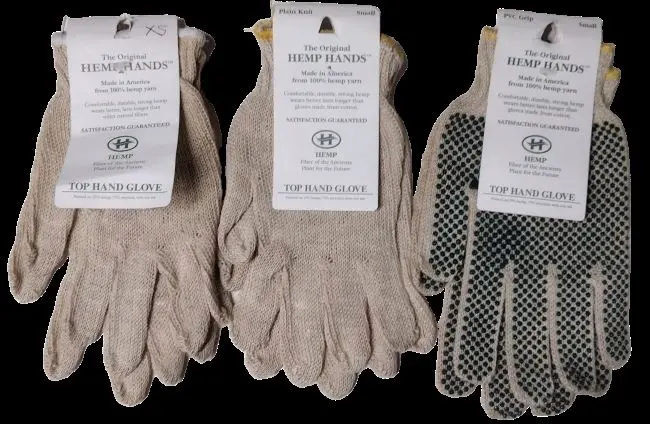
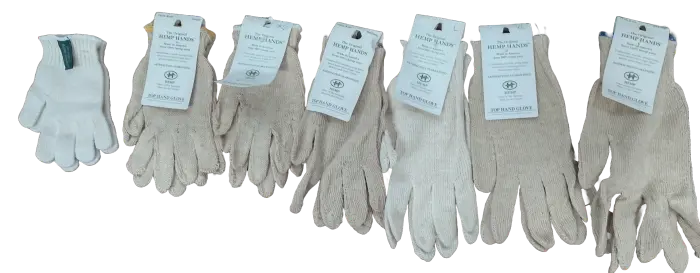
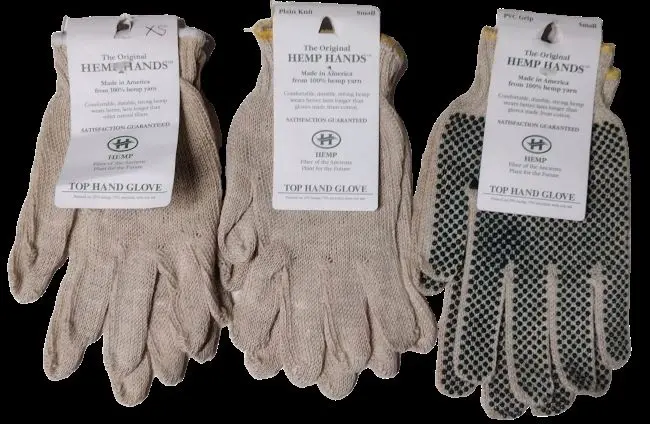
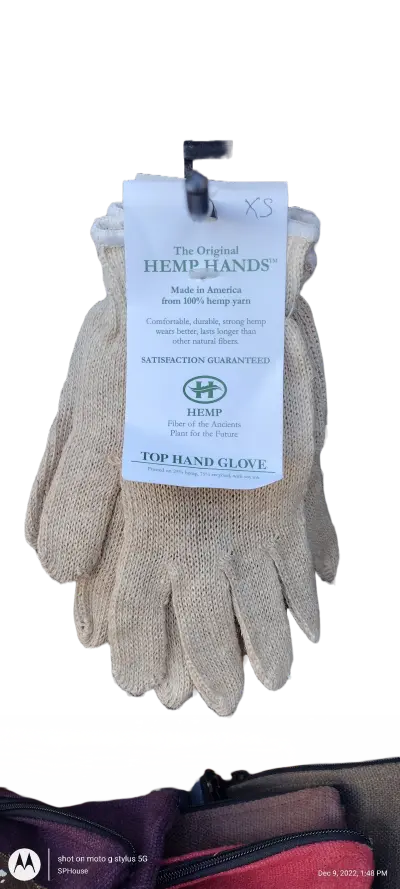
Human benefits of wearing hemp yarn knit gloves
Hemp's natural properties provide several advantages for the wearer:
- Comfort and breathability: Hemp fibers are breathable and moisture-wicking, keeping hands comfortable in varying temperatures by regulating body temperature. The hollow structure of the fiber allows for optimum airflow, keeping hands cool in summer and warm in winter.
- Hypoallergenic and antimicrobial: Hemp's natural resistance to bacteria, fungi, and mold makes it a good choice for sensitive skin, helping prevent odors and reducing the risk of irritation or allergic reactions.
- Durability and longevity: Hemp fabric is known for its strength and durability, being up to five times stronger than cotton. This translates to longer-lasting gloves that resist wear and tear and retain their shape well. Hemp softens with each wash and wear but doesn't lose its strength or shape.
- UV protection: Hemp fibers offer natural protection against UV radiation, filtering out harmful rays and making them suitable for outdoor use.
- Softness over time: While initially feeling slightly stiffer than cotton, hemp becomes increasingly soft with each wash and wear, according to THTC Clothing.
Uses of hemp yarn knit gloves
Hemp knit gloves can be used for a wide range of activities, both with and without grippers:
- General everyday wear: Comfortable and breathable for daily tasks, particularly for individuals with sensitive skin.
- Outdoor activities: UV resistance and temperature regulation make them suitable for hiking, gardening, or other outdoor pursuits.
- Light work and crafts: Durable and tactile, making them suitable for tasks requiring some dexterity.
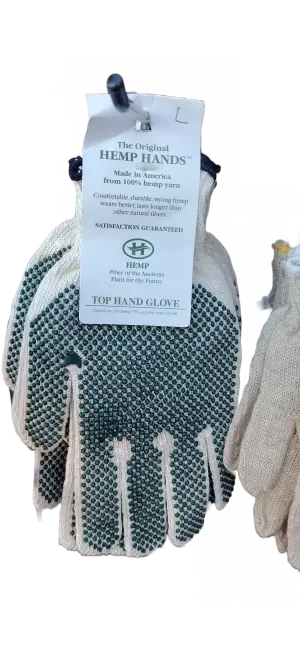
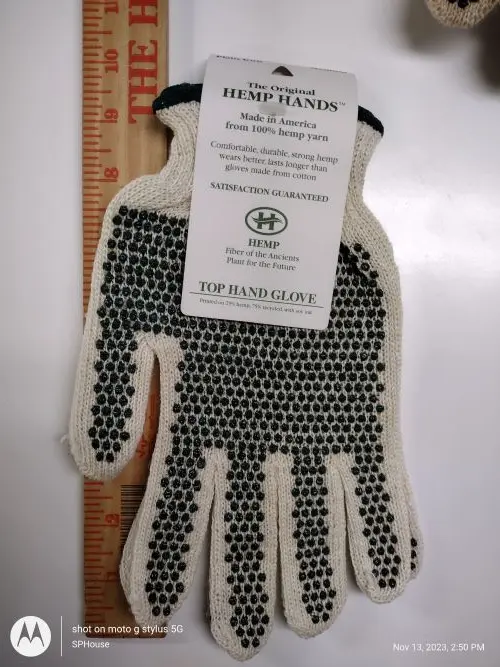
Gloves with grippers:
- Improved grip and dexterity: Grippers enhance the functionality of the gloves for tasks requiring a firm hold, such as lifting, driving, or handling tools.
- Protection in light industrial or assembly work: Offering additional grip and some protection for hands while maintaining breathability and comfort.
Comparison to petroleum-based yarns (e.g., polyester)
- Sustainability and environmental impact: Hemp is significantly more environmentally friendly than petroleum-based yarns like polyester.
- Hemp is a renewable resource requiring minimal water and no pesticides or herbicides for cultivation, notes Hemp Clothing Australia.
- Hemp plants absorb significant amounts of carbon dioxide during growth, contributing to a lower carbon footprint.
- Hemp is biodegradable, breaking down naturally and reducing landfill waste and pollution.
- In contrast, polyester relies on petrochemicals, uses energy-intensive manufacturing processes, and contributes to microplastic pollution.
- Comfort and breathability: Hemp breathes better and wicks moisture away more effectively than polyester, reducing sweat build-up and irritation.
- Skin sensitivity: Hemp's natural properties make it a safer choice for sensitive skin, as it reduces the risk of allergic reactions and irritation caused by synthetic fibers, according to Dragon Cannabis.
- Durability: While both materials offer good durability, hemp's resistance to pilling and its tendency to soften over time provide long-lasting comfort and shape retention. Polyester is durable but may not offer the same "wearing in" comfort over time.
Hemp yarn knit gloves offer a sustainable, comfortable, and durable option with several advantages for human well-being and environmental responsibility, making them an increasingly appealing choice compared to traditional synthetic alternatives.
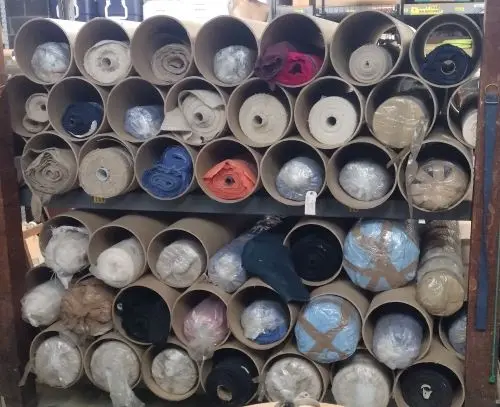
Hemp Fibers
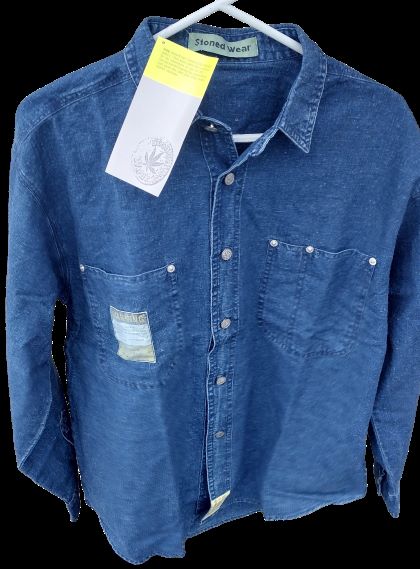
While supplies last 100% Romanian hemp fabric & Chinese blended. Come down visit & buy.
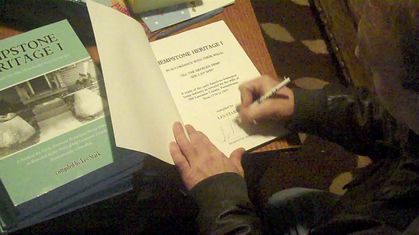
Hemp Jewelry Books

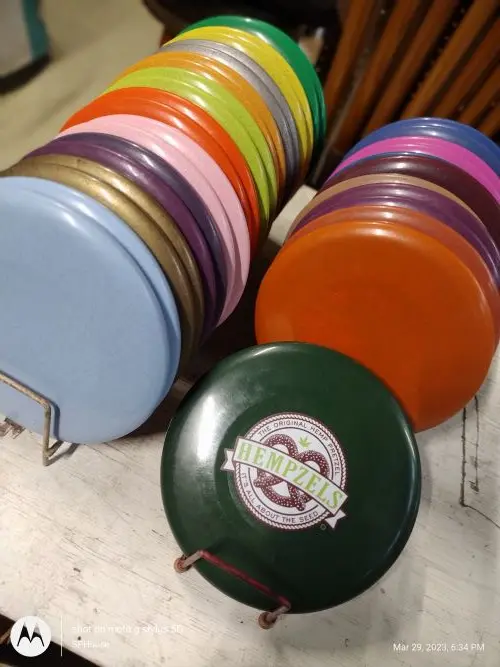
Hemp Bio Plastics
Hemp fiber's integration into plastic products like frisbees and shovels presents a promising approach to enhance performance and sustainability.
1. Strengthening plastics with hemp fiber
- Improved Structural Integrity: Hemp fibers possess remarkable strength and durability, making them ideal for reinforcing plastics.
- Enhanced Impact Resistance: When incorporated into biocomposites, hemp fibers increase the material's impact resistance, reducing the risk of breakage and improving the product's lifespan. This is particularly beneficial for products like frisbees, which are subjected to repeated impacts and stresses during use.
- Reduced Material Failure: By strengthening the plastic, hemp reinforcement can minimize the likelihood of material failure, leading to more reliable and longer-lasting frisbees and shovels.
2. Making plastics better with a carbon-negative approach
- Carbon Sequestration: Hemp plants actively absorb carbon dioxide from the atmosphere during their growth, acting as a natural carbon sink. This contributes to a reduction in greenhouse gas emissions and a lower overall carbon footprint for hemp-reinforced plastics compared to traditional, petroleum-based plastics.
- Reduced Dependence on Fossil Fuels: Traditional plastics rely heavily on non-renewable fossil fuels. By utilizing hemp, a rapidly renewable resource, we can decrease our reliance on these finite resources and promote a more sustainable future for plastic production.
- Biodegradability: Hemp-based bioplastics are biodegradable and compostable, meaning they naturally break down at the end of their lifecycle and return to the earth without causing environmental harm. This contrasts sharply with traditional plastics, which can persist in the environment for centuries and contribute to landfill and ocean pollution.
- Lower Environmental Impact: Hemp cultivation requires less water, pesticides, and fertilizers compared to many other crops. This translates to a smaller environmental footprint throughout the entire lifecycle of hemp-reinforced plastic products.
In essence
The integration of hemp fiber into plastic frisbees and shovels provides a two-pronged benefit: It strengthens the material, resulting in more durable and longer-lasting products, while simultaneously reducing the environmental impact by leveraging a carbon-negative, renewable resource and creating biodegradable materials. This approach moves us closer to a more sustainable and environmentally conscious future for plastic manufacturing.