Brand New $16.95
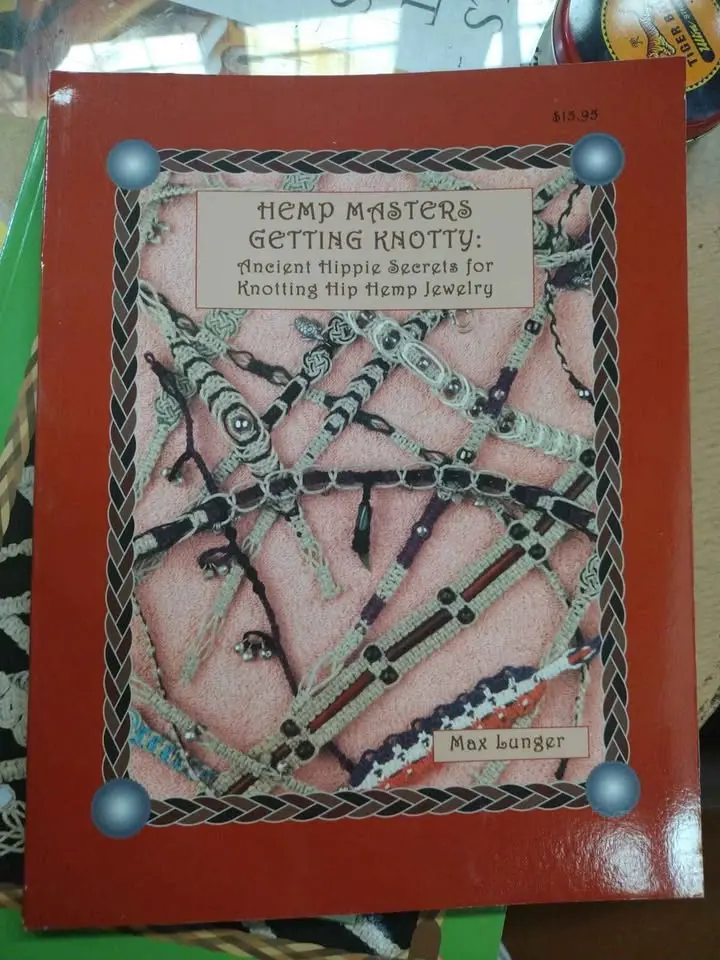
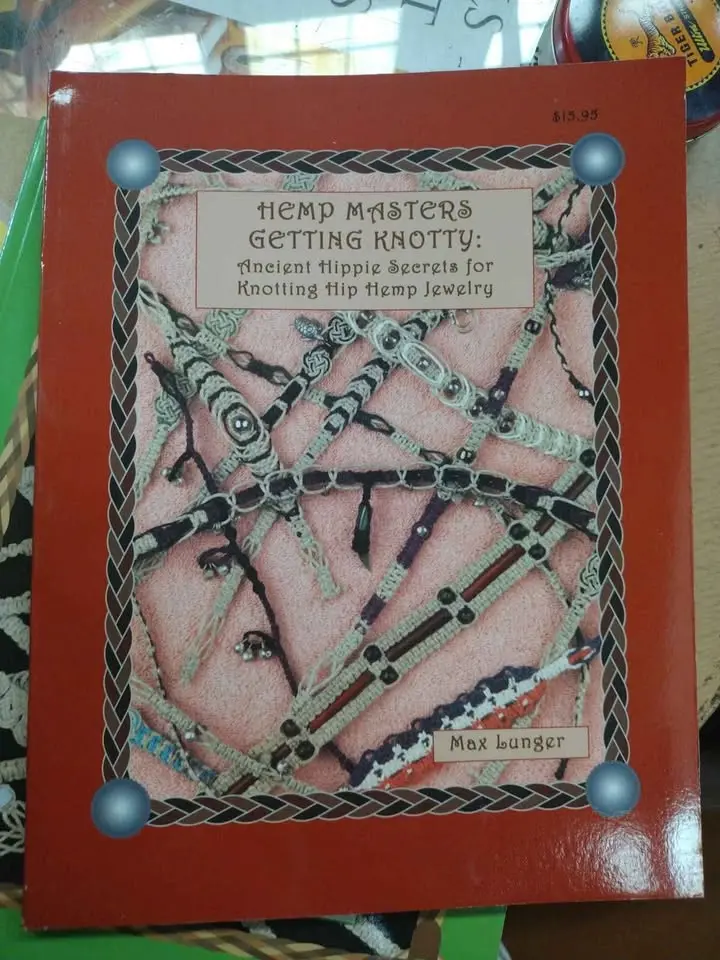
Max Lunger is the author of
Hemp Masters: Ancient Hippie Secrets for Knotting Hip Hemp Jewelry and a second, more advanced book titled Hemp Masters—Getting Knotty. Readers interested in his books may want to learn the foundations of knotting and macrame, create their own custom designs, and find inspiration from the "hippie humor" and market-tested patterns.
Why read a Max Lunger book on hemp jewelry
Reading Max Lunger's books offers several benefits, especially for those new to crafting:
- Accessible learning: The books are described as "simple, easy to follow, instructional guides," making them ideal for beginners.
- Comprehensive knotting guide: They go beyond just projects to provide a complete guide to knotting techniques, allowing readers to develop their own patterns.
- Variety of projects: The books contain projects of varying complexity, from simple bracelets to intricate chokers and anklets. Getting Knotty also includes patterns for belts and a belly chain.
- Detailed instructions: The guides include
- numerous illustrations and photographs to complement the comprehensive, clear instructions.
- Embellishment ideas: Readers learn how to
- incorporate beads and different clasps into their projects.
Benefits of working with hemp twine
Working is beneficial for several reasons, appealing to both crafters and eco-conscious consumers:
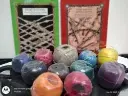
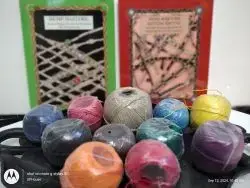
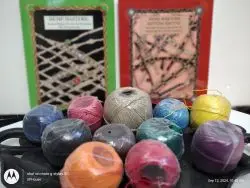
- Eco-friendly and sustainable: Hemp is a renewable resource that requires less water than cotton and can improve soil quality as it grows. As a biodegradable material, it returns to nature without harming the environment.
- Strength and durability: Hemp twine is one of the strongest natural fibers available, resisting rot, mold, mildew, and UV rays. This makes it ideal for projects that need to last.
- Versatility: It can be used for many projects, and it accepts natural dyes well for custom coloring.
- Untreated and hypoallergenic: Unlike many other ropes, hemp twine is often untreated with petroleum or other harsh chemicals, making it a safe choice for those with sensitive skin.
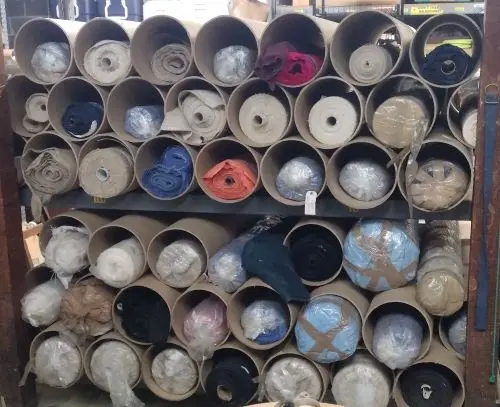
Hemp Fabric
35 bolts of hemp fabric while supplies last.
Hemp Knit Hats
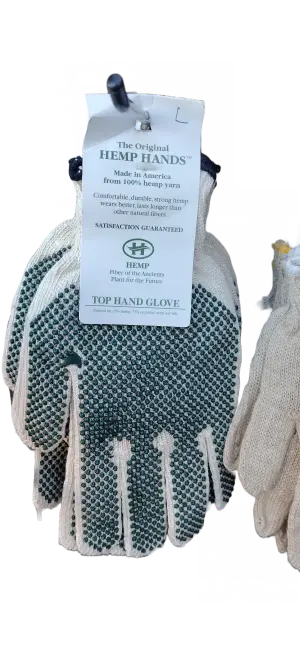
This brand is vintage, was discontinued, Online retailers have sold similar gloves under different labels, typically for around $16–$20, but this is not the original price. Hemp gloves are superior to polyester gloves due to their natural breathability, durability, and eco-friendly characteristics.
Hemp vs. polyester gloves
| Feature | Hemp | Polyester |
|---|---|---|
| Breathability | Hemp's hollow fibers allow for excellent air circulation, making the gloves comfortable in both warm and cool weather. | Polyester is less breathable, which can trap heat and moisture and cause skin irritation. |
| Durability | Hemp is one of the strongest natural fibers and actually gets softer with each wash while maintaining its strength. | Polyester is also durable but can break down and lose its shape over time. |
| Odor resistance | Hemp is naturally resistant to bacteria, mold, and mildew, which helps minimize odors. | Polyester does not have natural antimicrobial properties and may require chemical treatments that wash out over time. |
| Environmental impact | Hemp is a renewable and sustainable resource that requires very little water or pesticides to grow. It is also biodegradable and enriches the soil. | Polyester is a synthetic plastic derived from petroleum. It is not biodegradable and sheds microplastics into the water supply with every wash. |
| Comfort | Hemp fabric is hypoallergenic, making it ideal for people with sensitive skin. It also becomes increasingly soft over time. | Polyester can cause skin irritation, particularly for those with sensitive skin, and it traps sweat against the body. |